Three Keys to Transformative Meditation: Simplicity, Gentleness, and Appreciation
Posted in :
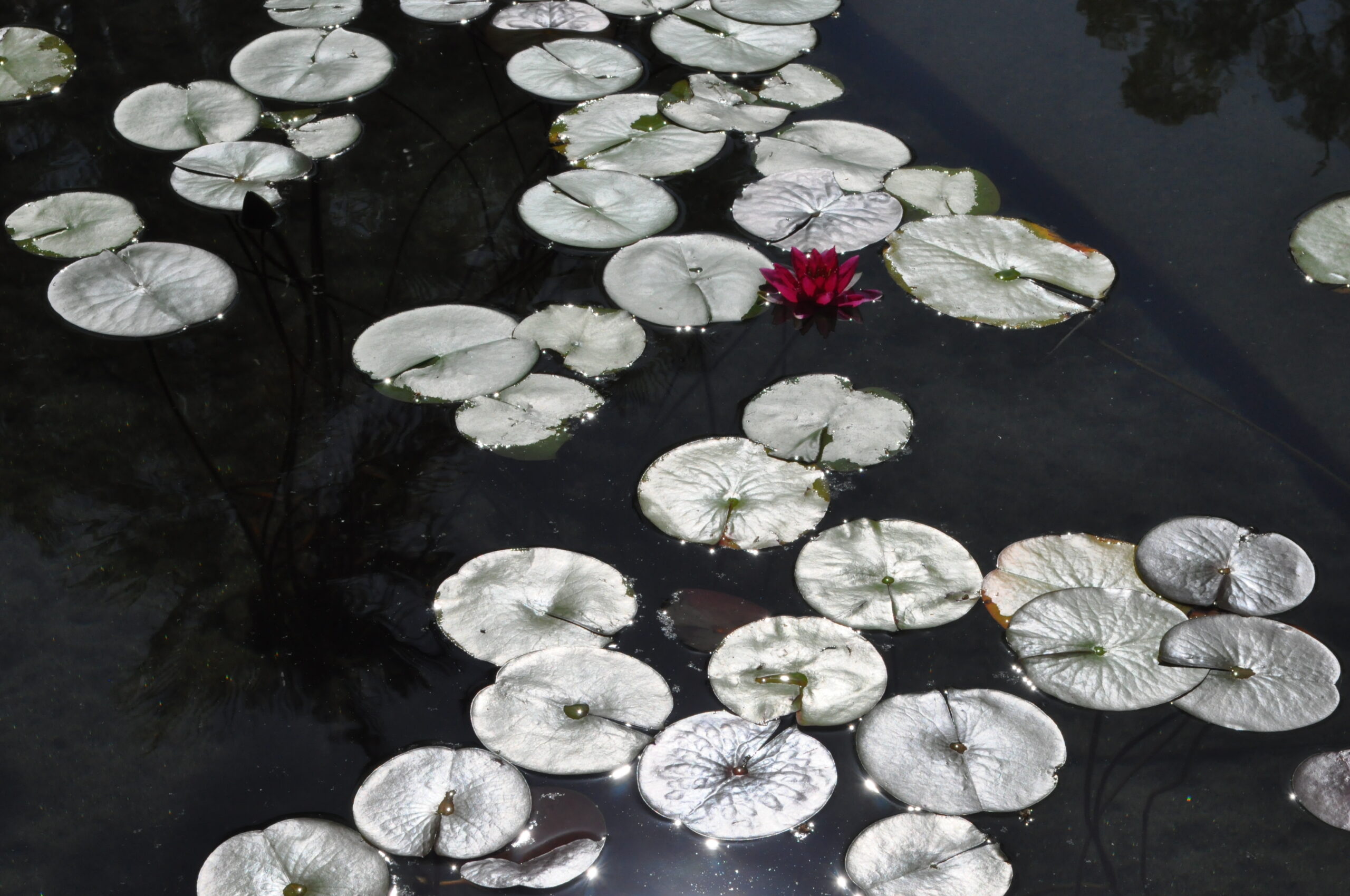
Imagine a serene garden, where the beauty lies not in the complexity of its design but in the simplicity of each flower, the gentle rustle of leaves in the breeze, and the appreciation of nature’s quiet harmony. In this truly tranquil setting, we experience the profound effects of simplicity, gentleness, and appreciation—the three keys to transformative meditation.
Just as the garden thrives in its simplicity, our meditation practice flourishes when we strip away the unnecessary and embrace the present moment with a gentle heart. By cultivating a sense of appreciation for the moment of waking up and the subtle shifts within us, we unlock a deeper, more meaningful meditation experience. In this essay, we will explore how these three elements—simplicity, gentleness, and appreciation—can transform our meditation practice and lead us to a path of inner peace and clarity.
Simplicity: The Key to Clear Perception
Simplicity helps us avoid becoming entangled in what we observe, allowing us to attend to the unfolding of experiences in the present moment. The Satipatthana Sutta states: “…a monk knows when he is standing, ‘I am standing;’ he knows when he is sitting, ‘I am sitting;’ he knows when he is lying down, ‘I am lying down’…” Just that much is all we need to do. This simple act of knowing what we know—without adding interpretations or judgments—anchors us in the present moment. For instance, right now, you know you are sitting, and you know that you are reading these words. This awareness is simple and clear, without complication or extra effort.
In the context of Vipassana, simplicity means approaching meditation with a mind that allows you to be aware of whatever experiences are happening in the present moment. For example, when we are angry, we simply recognize that “there is anger,” acknowledge that “angry mind is like this,” or just note, “I am angry.” Regardless of where we are in the practice, we acknowledge the truth of the presence of the angry mind; this is the experience we are having at the moment. It’s just a humble knowing, a noticing of what’s happening in the body and mind at this very moment. We do not need to change the experience by thinking, “I should not be angry” or judging it with thoughts like, “Anger is bad.” If judgmental thoughts do arise, that’s another experience to be aware of, such as noticing, “Judging mind is here” or “Thinking mind is here.” Being straightforward in our approach helps us stay grounded and fully present. When we are attentive to our experiences in this way, we cultivate wholesome mental qualities—awareness and wisdom (noticing and discerning)—and restrain unwholesome ones such as aversion and attachments (judging and preoccupation).
The beauty of simplicity in Vipassana practice is that it strips away the unnecessary layers of complexity that often cloud our perception. By embracing simplicity, we can cut through the noise and focus on the raw, unfiltered truth of our experiences. Practicing with simplicity helps us taste true freedom by letting go—seeing attachments and aversions for what they are, not as “ours,” so that we engage each moment with a fresh, open mind.
Gentleness: Embracing Compassion and Non-judgment
Gentleness is another crucial principle in Vipassana meditation, akin to the gentle warmth of morning sunlight. Sunlight shines on everything—high and low, hard and soft, beautiful and ugly—without preferences. Similarly, we practice with the same warm touch toward all our experiences. This means practicing with kindness and compassion for ourselves, no matter how challenging or pleasant our experiences may be.
Imagine we’re sitting in meditation and find ourselves repeatedly lost in thoughts, whether the same story or different ones. Despite our efforts to stay focused, we often find it difficult, which leads to frustration with our unruly thoughts. As a result, we feel like we’re wasting time and become increasingly irritable. This irritation fuels our determination to try even harder, but the cycle continues, and we end up judging ourselves. However, if we change our approach to the relationship with this experience, the experience will change too. With gentleness, we remind ourselves that we’ve been thinking our entire lives, so the momentum of thinking is naturally strong. Since we haven’t always been aware, our capacity for awareness might need time to catch up. We might also ask why we don’t feel bothered by being aware of countless breaths. So why should we be troubled by countless thoughts? Just like our breaths, we can be aware of our thoughts in the same gentle, warm, accepting manner.
By observing with light, warm, and gentle awareness, we stay with things as they truly are, and our practice gains momentum throughout the day. This approach not only creates inner peace but also enhances our relationships with others. By being gentle with ourselves, we learn to extend the same compassion and understanding to those around us, creating a ripple effect of kindness and empathy.
Appreciation: Finding Joy in Cultivating Awareness
Regardless of how long we’ve been lost in our thoughts or busy with our lives, the moment we become aware is a moment of joy. This gratitude arises from recognizing that awareness itself is a valuable attainment. In Vipassana, becoming mindful after a period of distraction is not seen as a failure but as a success. Every time we notice that we are lost in thought is a moment of gained awareness, much like finding lost money or car keys after a frantic search—the moment of discovery brings joy and relief, not upset and self-judgment. This shift in perspective encourages us to embrace every return to awareness with a sense of gladness and appreciation, no matter how fleeting the moment may be.
By reminding ourselves that our goal is to cultivate awareness—not any particular experience such as calmness, happiness, or insight—we naturally foster joy and appreciation for the presence of awareness. It’s about being aware of whatever arises—be it pleasant, unpleasant, or neutral—without trying to control or change it. This generates a positive feedback loop that reinforces and strengthens our practice. This approach not only counteracts feelings of frustration or disappointment when we realize we’ve been distracted but also enhances our overall meditation experience. The joy of being aware, combined with a sense of gratitude, motivates us to continue our practice with enthusiasm and a light heart, making meditation more enjoyable and sustainable in the long run. Continuity is naturally developed through this joyful and appreciative approach, as it encourages us to return to our practice regularly. Each moment of awareness, no matter how brief, builds upon the previous ones, gradually creating a steady and enduring mindfulness. This ongoing process fosters a deeper connection with our inner experiences, leading to a more profound understanding.
Integrating Vipassana into Daily Activities
Beyond our formal sitting and walking meditation practice, integrating Vipassana meditation into our daily activities can be a powerful way to grow our practice. By applying the principles of Vipassana to everyday tasks, we cultivate continuous awareness and presence. For example, while washing dishes, we simply know what we can know, like the sensations of the water or the movements of our hands. When walking, we can rest our attention on whatever experiences are arising, like the feeling of our feet touching the ground or the breeze on our skin. While eating, we can be aware of the most dominant experience, like chewing. We can also be mindful of our feelings, whether we are enjoying the taste of our food or not.
Taking a few moments during the day to check in with our feelings helps ground the mind in the present and breaks the cycle of stress that tends to build up. By pausing to observe our emotional and mental states without judgment, we become more attuned to the subtle signs of stress as they arise. This proactive way of identifying and addressing potential stressors early on prevents them from accumulating and impacting our well-being. For example, during a busy workday, we might notice tension in our shoulders or feelings of impatience. By acknowledging these feelings early, we can take steps to alleviate them, such as relaxing or giving ourselves a moment of rest with attention on the breath or any available body sensation. This self-check-in practice helps us stay aware of our emotional landscape and to manage stress more effectively. This continuous, informal Vipassana practice helps us navigate daily life with greater clarity, calmness, and equanimity, making even mundane activities part of our meditative practice.
By weaving Vipassana into our daily activities, we turn every moment into an opportunity for mindfulness. The formal practice supports our daily life practice, and daily life practice, in turn, nurtures our formal practice, cultivating awareness and wisdom. This harmonious approach keeps us grounded and centered, even amid the hustle and bustle of everyday life.
Embracing Simplicity, Gentleness, and Gratitude for Transforming Daily Existence
Vipassana, with its emphasis on simplicity, gentleness, and appreciation, offers a path to a deeper and more fulfilling existence. Embracing simplicity allows us to be present without distractions, while gentleness develops a compassionate attitude toward our experiences. Appreciation further transforms our practice into a joyful and rewarding journey.
By cultivating these qualities, we enhance our meditation and enrich our daily lives. These three elements encourage mindful and intentional living, enhancing our well-being and supporting our journey toward liberation. Just as the serene garden flourishes, our meditation practice blossoms when we embrace simplicity, gentleness, and appreciation, guiding us toward a more enriched and meaningful life.